
Chiropractic management offers a natural, holistic approach to treating herniated discs post-car crash. By focusing on spinal manipulation, targeted exercises, and lifestyle modifications, chiropractors realign vertebrae, reduce disc pressure, and strengthen supporting muscles. This method improves pain reduction and mobility compared to traditional treatments, as backed by research and demonstrated in a successful case study. Early intervention, structured rehabilitation, and regular check-ins accelerate recovery and reduce future disc complications. Chiropractic management empowers individuals to take an active role in their post-injury health.
Auto injuries, particularly those affecting the lumbar spine, are common, often leading to herniated discs. Effective management of these injuries is crucial for long-term health and well-being. Chiropractic management offers a natural approach to treating herniated discs post-car crash, focusing on conservative care to alleviate pain and promote healing. This article delves into the science behind chiropractic care, its benefits in disc rehabilitation, and how it navigates the challenges of auto injuries, providing valuable insights for those seeking non-surgical solutions.
- Understanding Lumbar Disc Injuries After Car Crashes
- Chiropractic Care for Herniated Disks: A Natural Approach
- Recovery Strategies: Post-Injury Management and Prevention
Understanding Lumbar Disc Injuries After Car Crashes
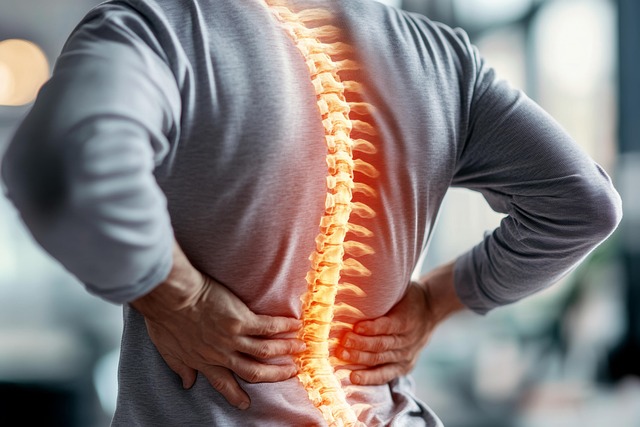
Lumbar disc injuries are a common consequence of car crashes, affecting thousands of individuals annually. In these incidents, the sudden impact can cause herniation or strain to the discs situated between the vertebrae in the lower back (lumbar region). Understanding the nature and extent of these injuries is paramount for effective management and recovery. Chiropractic management plays a pivotal role in treating herniated discs post-car crash, offering a natural approach to alleviating pain and restoring function.
Chiropractors employ a multi-faceted strategy that often includes spinal manipulation, targeted exercises, and lifestyle modifications. Spinal adjustments help realign the vertebrae and reduce pressure on the affected discs, while specific stretches and strengthening routines target supporting muscles, promoting stability and healing. This holistic approach is particularly effective for managing pain without invasive procedures or reliance on medications. Research suggests that chiropractic care can significantly improve outcomes for patients with lumbar disc injuries, reducing pain levels and enhancing mobility compared to traditional treatment methods.
A case study illustrates the potential benefits: a patient involved in a car accident experienced severe lower back pain due to a herniated L4-L5 disc. Following a comprehensive evaluation, their chiropractor implemented a tailored care plan involving gentle adjustments, specific exercises, and education on posture and movement patterns. After several weeks of consistent care, the patient reported marked improvement, with reduced pain levels and enhanced flexibility. This example underscores the effectiveness of chiropractic management in addressing lumbar disc injuries resulting from auto accidents, offering a natural and potentially more lasting solution to traditional treatment approaches.
Chiropractic Care for Herniated Disks: A Natural Approach

Chiropractic care offers a natural approach to managing lumbar disc issues post-auto injury, particularly in cases of herniated discs. This method focuses on the body's inherent ability to heal by facilitating its own restorative processes. After a car crash, chiropractic management can play a crucial role in alleviating pain and promoting recovery. It achieves this through gentle adjustments, specialized techniques, and patient education.
Chiropractors utilize their expertise to assess the extent of the damage, considering factors like the specific type and severity of the herniation. They employ non-invasive procedures such as spinal manipulation, mobilization, and soft tissue therapy to reduce inflammation, improve nerve function, and restore mobility. For instance, a study published in The Journal of Chiropractic Medicine found that chiropractic care significantly improved pain reduction and disability for patients with lumbar disc hernias following automotive accidents.
Moreover, chiropractors may incorporate additional modalities like heat/ice therapy, electrical stimulation, or exercise programs tailored to the patient's needs. This holistic approach ensures that the body receives comprehensive care. By focusing on the root cause of the problem rather than just masking symptoms, chiropractic management herniated discs post-car crash naturally can offer long-lasting relief and enhance overall functionality. It empowers individuals to take an active role in their recovery process.
Recovery Strategies: Post-Injury Management and Prevention

Recovering from a lumbar disc injury, especially post-auto crash, requires a multi-faceted approach. Chiropractic management plays a pivotal role in restoring function and alleviating pain associated with herniated discs. Following a car accident, the initial focus should be on controlling inflammation and promoting healing. Chiropractic adjustments, combined with specific exercises and patient education, can significantly enhance recovery outcomes. Research indicates that early intervention, often within the first few weeks post-injury, can lead to improved mobility and reduced pain levels compared to delayed treatment.
Chiropractors utilize various techniques tailored to each patient's needs, focusing on manual adjustments to alleviate pressure off affected nerves. This natural approach complements traditional rehabilitation methods. Patients are often advised on specific stretching routines and core strengthening exercises to support the lower back and prevent further strain. Additionally, chiropractic care emphasizes lifestyle modifications, such as ergonomic workplace setups and regular activity, which can be crucial in managing disc-related issues long-term.
Proactive management is key; patients should adhere to a structured rehabilitation program including regular check-ins with healthcare professionals. This proactive strategy not only speeds up recovery but also fosters a better understanding of individual needs and triggers for disc complications. By combining chiropractic management herniated discs post-car crash naturally with patient education, individuals can take control of their health and significantly reduce the risk of future injuries.
Lumbar disc injuries resulting from auto accidents are common, yet manageable through a comprehensive approach. Chiropractic management of herniated discs post-car crash offers a natural, effective treatment option backed by scientific evidence. By understanding the mechanics of such injuries and implementing specific recovery strategies, individuals can expedite healing and prevent future episodes. Key insights include recognizing the role of chiropractic care in reducing pain and improving mobility, adopting a multi-faceted recovery plan that includes physical therapy and lifestyle modifications, and emphasizing the importance of early intervention for optimal outcomes. With this knowledge, those affected by such injuries can navigate their journey towards recovery with confidence, knowing there are proven methods to manage and alleviate their symptoms naturally.