
Post-car crash herniated discs are managed effectively through chiropractic care, focusing on spinal manipulation and tailored exercises to reduce pain, improve mobility, and promote natural healing. Chiropractic assessments, combining history, physical exams, and imaging, accurately diagnose disc pathologies. This non-invasive approach significantly improves pain and disability, offering an affordable alternative to surgery for post-accident disc injuries.
Post-accident disc injuries, particularly herniated discs, are a prevalent and significant concern following car crashes. Chiropractic management offers a natural and effective approach to addressing these injuries. This article delves into the intricacies of diagnosing and treating herniated discs through chiropractic care, providing a comprehensive understanding of how chiropractors utilize their expertise to alleviate pain and promote healing without invasive procedures. By exploring the benefits of chiropractic management, individuals affected by such injuries can make informed decisions regarding their post-accident care.
- Understanding Post-Accident Disc Injuries: Common Causes & Symptoms
- Chiropractic Assessment for Herniated Discs: Diagnostic Techniques
- Natural Healing with Chiropractic Management: Non-Invasive Treatment Options
Understanding Post-Accident Disc Injuries: Common Causes & Symptoms
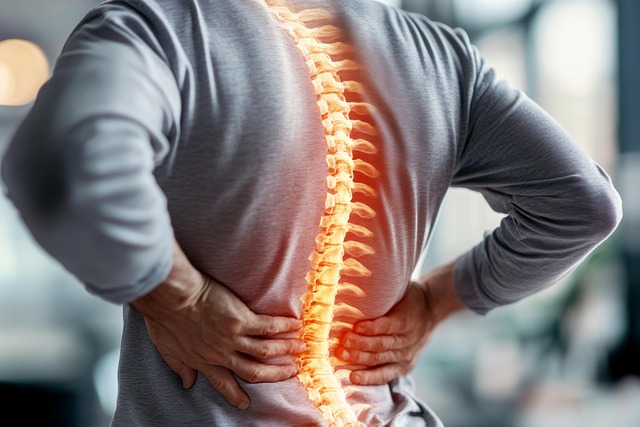
Post-accident disc injuries, particularly herniated discs, are a common consequence of vehicular collisions. These injuries can result from the sudden impact and subsequent jarring movements experienced during a car crash. The spine, composed of individual vertebrae separated by intervertebral discs, is incredibly susceptible to trauma, leading to various disc pathologies. Understanding the mechanisms behind these injuries is paramount in effective chiropractic management.
One of the most frequent causes of post-accident disc injuries is the acceleration-deceleration mechanism. In a car crash, the force of impact can rapidly accelerate and then decelerate the body, especially the spine. This abrupt change in motion can cause disc material to bulge, herniate, or even rupture. For instance, a rear-end collision can force the lower back into extension, compressing the discs between vertebrae. Similarly, a side-impact crash may subject the spine to rotational forces, leading to herniated discs in the mid-back or neck. Symptoms often manifest as acute pain, numbness, or weakness radiating to extremities, which can significantly impair mobility and quality of life.
Chiropractic management plays a pivotal role in treating post-car crash disc injuries, focusing on conservative, non-invasive approaches. Chiropractic care specializes in diagnosing and addressing spinal misalignments, known as subluxations, which can contribute to or result from disc pathology. Through various techniques, such as manual adjustment and specific exercises, chiropractors aim to reduce pain, improve spinal function, and promote natural healing. For herniated discs, chiropractic management may include recommendations for modified activities, physical therapy, and conservative treatment options before considering more invasive procedures. Early intervention and adherence to a tailored rehabilitation plan can lead to favorable outcomes, helping patients regain mobility, alleviate symptoms, and return to their regular routines naturally.
Chiropractic Assessment for Herniated Discs: Diagnostic Techniques

Chiropractic assessments for herniated discs following post-accident injuries are a critical component of non-invasive treatment approaches. Chiropractors employ a multi-faceted diagnostic technique to identify and pinpoint disc pathologies, with a particular focus on understanding the patient's history and presenting symptoms. This initial evaluation often includes detailed case history taking, physical examinations, and specialized imaging studies.
One of the key techniques involves palpatory assessment, where the chiropractor uses their hands to examine the spine for tenderness, swelling, or abnormalities in spinal alignment. This tactile approach can help identify areas of potential disc herniation or irritation. Additionally, specific orthopedic tests such as the straight leg raise (SLR) and sciatic nerve stretch are employed to assess nerve root compression and determine the affected nerves. For instance, a positive SLR test, where pain radiates down the leg upon raising the extended leg, suggests a pinched nerve in the lower back, potentially indicating a herniated disc.
Advanced imaging plays a pivotal role in confirming these clinical suspicions. Magnetic Resonance Imaging (MRI) is particularly valuable for visualizing soft tissues and identifying herniated discs or spinal stenosis. Computed Tomography (CT) scans offer high-resolution cross-sectional images, aiding in the assessment of vertebral bone structure and disc height. These imaging modalities provide critical data to guide chiropractic management herniated discs post-car crash naturally, enabling practitioners to develop tailored treatment plans that may include manual adjustments, therapeutic exercises, and lifestyle modifications.
Natural Healing with Chiropractic Management: Non-Invasive Treatment Options

Chiropractic management offers a promising avenue for individuals suffering from disc injuries sustained in post-car crash incidents, particularly when it comes to non-invasive treatment options that promote natural healing. This approach focuses on manipulating the spine to reduce pain, improve mobility, and support the body's inherent self-healing mechanisms. In the context of herniated discs, chiropractic care can be highly effective without resorting to surgical interventions or relying heavily on pharmaceutical drugs.
Chiropractors utilize a range of techniques such as spinal manipulation, mobilizations, and exercises tailored to each patient's needs. These treatments aim to restore proper joint function, reduce inflammation, and encourage the body to heal itself naturally. For instance, a study published in the Journal of Manipulative and Physiological Therapeutics found that chiropractic care significantly improved pain and disability in patients with herniated discs, often surpassing the outcomes of surgery or conservative treatment alone. The gentle and specific adjustments made by chiropractors can help alleviate pressure on pinched nerves, reducing symptoms associated with disc injuries.
One of the key advantages of chiropractic management for post-accident disc injuries is its ability to address the underlying causes of pain rather than merely masking symptoms. Chiropractors assess not only the affected area but also the entire musculoskeletal system to identify imbalances or misalignments that may have contributed to the injury. By correcting these issues, chiropractors can provide lasting relief and prevent future exacerbations. Additionally, chiropractic care is often more affordable and accessible than surgical options, making it an attractive alternative for many individuals seeking natural healing for their disc-related ailments.
Post-accident disc injuries, particularly herniated discs, can significantly impact an individual's life following a car crash. Understanding these injuries, their causes, and symptoms is crucial for effective management. Chiropractic examinations offer valuable diagnostic techniques to identify such issues accurately. Moreover, chiropractic management of herniated discs provides natural, non-invasive treatment options that can alleviate pain and promote healing. By combining comprehensive assessments with tailored, gentle adjustments, chiropractors facilitate the body's inherent healing mechanisms. This natural approach to post-car crash care not only offers relief but also empowers individuals to take an active role in their recovery, potentially reducing reliance on more invasive procedures. The insights gained from this article equip readers with a solid understanding of their options and empower them to make informed decisions regarding chiropractic management for herniated discs naturally.