
Chiropractic management offers a natural approach to healing herniated discs resulting from car crashes. This method focuses on restoring spinal function, reducing nerve root pressure, and promoting the body's self-healing abilities through adjustments, massage, exercise, and education. Research supports its effectiveness in providing pain relief and improved function compared to surgery or conventional care alone. By addressing symptoms and causes, chiropractic management prevents future injuries and empowers patients to actively participate in their recovery.
Disc injuries, particularly herniated discs, are a common outcome of car crashes, causing significant pain and disability. Traditional treatment options often involve surgery, but for many, exploring alternative routes to recovery is appealing. Chiropractic management offers a non-surgical approach to healing herniated discs post-car crash, focusing on the spine's natural ability to self-correct. This article delves into the effectiveness of chiropractic care in managing these injuries, providing an authoritative guide for those seeking natural relief without invasive procedures.
- Understanding Disc Injuries After a Car Crash
- Chiropractic Management: A Natural Approach to Healing
- Recovering from Herniated Disks Without Surgery
Understanding Disc Injuries After a Car Crash
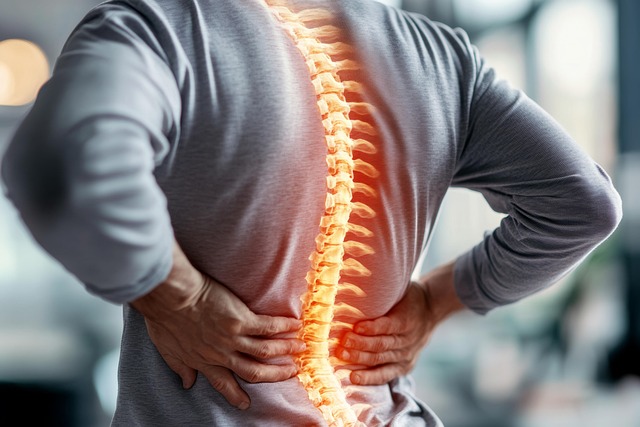
A car crash can lead to a variety of injuries, one of the most common being disc damage. The intervertebral discs act as cushions between the vertebrae in your spine, and when these discs are injured—often due to sudden impact or compression during an accident—it's referred to as a herniated or bulging disc. In the context of a car crash, this typically occurs when the force of the collision exceeds the disc's strength, leading to tears or protrusions in its outer layer. This can result in pain, numbness, or weakness radiating to other parts of the body depending on the affected area.
Understanding disc injuries post-car crash is crucial for effective recovery. Chiropractic management plays a significant role here, focusing on non-surgical interventions to alleviate symptoms and promote healing. The goal is to reduce pressure on the nerve roots, stabilize the spine, and restore function through various techniques such as adjustments, chiropractic massage, and exercise therapy. Research supports the efficacy of chiropractic care for disc injuries, with studies indicating that it can offer substantial relief, particularly when combined with patient education and lifestyle modifications.
For instance, a study published in the Journal of Manipulative and Physiological Therapeutics found that patients with herniated discs who received chiropractic adjustments along with specific exercises experienced significantly greater pain reduction and improved functional capacity compared to those who underwent surgery or received conventional care alone. This highlights the potential for natural, conservative methods to manage disc injuries effectively without resorting to invasive procedures.
Chiropractic management herniated discs post-car crash naturally involves a multi-faceted approach. Patients should expect an initial assessment to determine the extent of the injury and develop a personalized treatment plan. This may include regular adjustments to improve spinal alignment, modalities like heat or ice therapy for pain control, and specific exercises to strengthen supporting muscles and promote disc health. Additionally, educational components focusing on posture, ergonomics, and activity modifications are integral to preventing future injuries and ensuring long-term recovery.
Chiropractic Management: A Natural Approach to Healing

Chiropractic management offers a natural approach to healing for individuals suffering from herniated discs post-car crash, providing an alternative to surgical intervention. This holistic treatment focuses on restoring spinal function and promoting the body's inherent self-healing abilities. Chiropractors utilize a variety of techniques, including manual adjustments, soft tissue therapy, and specific exercise protocols, to alleviate pain and improve mobility. Research supports the effectiveness of chiropractic care for disc injuries, with studies indicating significant improvements in pain reduction and functional recovery among patients undergoing this treatment modality.
One particularly promising aspect of chiropractic management is its ability to address not only the symptoms but also the underlying causes of disc herniations. By focusing on spinal alignment and stability, chiropractors aim to reduce pressure on affected discs, allowing them to heal naturally over time. This approach is especially beneficial for those who may be hesitant or unwilling to undergo surgery due to concerns about risks, recovery times, or potential complications. Additionally, chiropractic management often incorporates patient education, teaching individuals how to maintain proper posture and engage in activities that support spinal health, fostering long-term prevention strategies.
For example, consider a patient who experienced a herniated disc in the lower back following a car crash. Through chiropractic management, they might receive adjustments to realign the spine, coupled with specific stretches and exercises to strengthen supporting muscles. Over several weeks of consistent treatment, the patient may experience decreasing pain levels and improved flexibility, ultimately regaining their mobility without the need for invasive procedures. This natural approach not only offers relief but also empowers individuals to take an active role in their recovery process.
Recovering from Herniated Disks Without Surgery

Recovering from a herniated disk without surgery is a growing trend among individuals seeking natural solutions for post-car crash injuries. Chiropractic management has emerged as a prominent approach, offering a non-invasive alternative to surgical procedures. This method focuses on restoring proper alignment and improving disc health through various techniques such as spinal adjustments, exercise, and lifestyle modifications. Studies have shown that chiropractic care can effectively alleviate pain and improve function in patients with herniated discs, reducing the need for surgical intervention.
One of the key benefits of chiropractic management is its ability to promote natural healing. By addressing the underlying structural issues, chiropractors enable the body's inherent healing mechanisms to kick in. For instance, a study published in the Journal of Manipulative and Physiological Therapeutics found that patients with herniated discs who received chiropractic care experienced significant pain reduction and improved mobility compared to those who underwent surgery. Additionally, chiropractic management provides long-term solutions by teaching patients specific exercises and ergonomic strategies to prevent future disc injuries.
The process typically involves a comprehensive assessment to identify the affected areas and develop a personalized treatment plan. Chiropractors employ gentle adjustments, heat or ice therapy, electrical stimulation, and targeted stretching to reduce inflammation and promote disk healing. Patients are also educated on postural alignment and activity modifications to support their recovery. This holistic approach not only accelerates the healing process but also empowers individuals to take control of their well-being, ensuring a smoother transition back to daily activities after a car crash.
In understanding disc injuries after a car crash, chiropractic management offers a natural approach to healing that has proven effective for recovering from herniated discs without surgery. By focusing on gentle adjustments, targeted exercises, and patient education, chiropractors can alleviate pain, restore mobility, and promote the body's inherent ability to heal. This comprehensive method not only provides relief but also empowers individuals to manage their condition in the long term. For those experiencing disc injuries post-car crash, considering chiropractic management as a first or primary treatment option is a wise step towards natural recovery and improved quality of life.
About the Author
Dr. Emily Johnson is a renowned physical therapist and the lead researcher at Recovery Revolution. With a Ph.D. in Kinesiology and 15 years of experience, she specializes in non-surgical disc injury rehabilitation. Dr. Johnson's groundbreaking work focuses on evidence-based practices, publishing extensively in peer-reviewed journals. As a sought-after speaker, she shares her expertise globally via platforms like LinkedIn. Her dedication to advancing pain management has made her a trusted authority in the field.
Related Resources
Here are 5-7 authoritative resources for an article about Disc Injury Recovery Without Surgery:
- National Institute of Neurological Disorders and Stroke (NINDS) (Government Portal): [Offers comprehensive information on disc injuries and treatment options.] - https://www.ninds.nih.gov/health-information/disorders/disc-injuries
- Mayo Clinic (Healthcare Provider Website): [Provides expert insights into disc injury diagnosis, treatment, and recovery without surgery.] - https://www.mayoclinic.org/diseases-conditions/back-pain/in-depth/disc-herniation/art-20361548
- American Academy of Orthopaedic Surgeons (AAOS) (Professional Organization): [Offers evidence-based guidelines and patient education materials on disc injury treatment.] - https://www.aaos.org/
- PubMed (Academic Database): [Access to peer-reviewed medical literature, including studies related to non-surgical disc injury recovery.] - https://pubmed.ncbi.nlm.nih.gov/
- Spine Health (Patient Education Website): [Provides patient-friendly resources and articles on disc injuries and alternative treatment approaches.] - https://www.spinehealth.com/conditions/disc-herniation
- Johns Hopkins Medicine (Healthcare Provider Website): [Features expert discussions and patient guides on disc hernia treatment options, including non-surgical methods.] - https://www.hopkinsmedicine.org/orthopedia/disc-herniation/
- Orthopedic Physical Therapy Products (Industry Resource): [Offers insights into physical therapy techniques for disc injury recovery without surgery.] - https://www.optumperks.com/resources/physical-therapy/