
Chiropractic management offers a natural, non-invasive approach to healing herniated discs caused by car crashes. By focusing on spinal alignment and promoting self-healing, chiropractors reduce nerve pressure, alleviate pain, and improve neurological function. This method, supported by research, is more proactive than surgery or medication, empowering patients to actively participate in their recovery through tailored adjustments and education.
Herniated discs are a common spinal issue affecting millions worldwide, often arising from traumatic events like car crashes. The symptoms can be debilitating, ranging from persistent pain to numbness and weakness in the affected areas. Chiropractic management offers a natural approach to treating herniated discs post-car crash, focusing on non-invasive techniques to restore spinal health. This article delves into the detailed symptoms, explores the role of chiropractic care in treatment, and provides insights into how this holistic method can help individuals regain mobility and alleviate pain effectively.
- Understanding Bulging Discs: Causes & Initial Symptoms
- Chiropractic Management: Natural Approach to Healing
- Post-Car Crash: Navigating Recovery with Chiropractic Care
Understanding Bulging Discs: Causes & Initial Symptoms
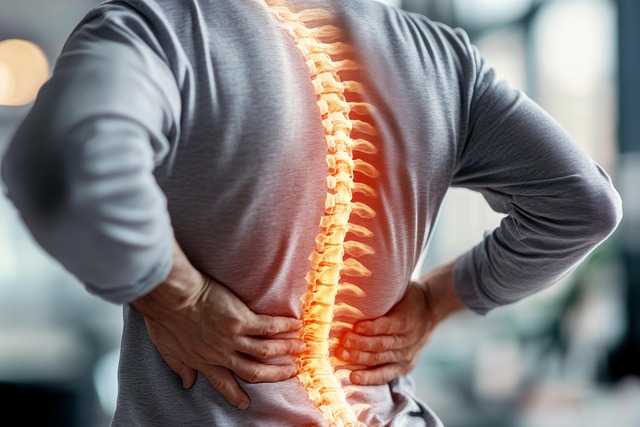
A bulging disc, a common spinal condition, occurs when the soft, gel-like material inside an intervertebral disc pushes through a tear in its outer ring. This can put pressure on nearby nerves, leading to pain and other symptoms that may radiate to different parts of the body. Understanding the causes and initial symptoms is crucial for effective chiropractic management herniated discs post-car crash naturally.
The most common cause of bulging discs is age-related wear and tear, known as degeneration. As we get older, the discs lose their water content, becoming less flexible and more prone to damage. Sudden injuries, such as those sustained in car crashes, can also lead to disc bulges. The force of a collision can cause the intervertebral discs to shift out of place, resulting in tears or bulging. Other factors include poor posture, obesity, occupation-related strain (e.g., heavy lifting), and lack of physical activity.
Initial symptoms often include localized pain, numbness, or tingling in the area served by the affected nerve root. For example, a bulge in the lower back may cause pain that radiates to the leg, while a neck disc bulge could lead to arm symptoms. These sensations can vary from mild discomfort to debilitating pain, depending on the severity of the herniation and individual sensitivity. Additionally, some patients experience weakness in the limbs or difficulty with fine motor skills. Early recognition of these symptoms is vital for effective chiropractic management, as prompt intervention can potentially prevent further nerve damage and promote faster recovery.
Chiropractic Management: Natural Approach to Healing

Chiropractic management offers a natural approach to healing herniated discs post-car crash, addressing the underlying causes rather than merely masking symptoms. This holistic treatment method focuses on restoring the body's natural alignment and promoting self-healing mechanisms. By adjusting the spine and supporting soft tissues, chiropractors can reduce pressure on affected nerves, alleviate pain, and improve neurological function. Research supports the effectiveness of chiropractic care for disc-related conditions, with studies indicating significant improvements in pain reduction and functional ability among patients receiving regular adjustments.
One of the key advantages of chiropractic management is its non-invasive nature, avoiding the need for surgery or prescription medications. This approach not only provides relief from acute symptoms but also empowers individuals to take an active role in their healing process. Chiropractors often incorporate various techniques such as spinal manipulation, mobilizations, and therapeutic exercises tailored to each patient's specific needs. For instance, a patient experiencing sciatica due to a herniated disc might benefit from a combination of adjustments to the spine and targeted stretching exercises to strengthen supporting musculature.
Moreover, chiropractic management emphasizes preventive care, teaching patients self-care strategies and ergonomic principles to reduce the risk of future disc injuries. This proactive approach is particularly valuable for individuals who drive regularly or engage in physically demanding occupations. By addressing the root causes of disc degeneration and herniation, chiropractors can help patients maintain long-term health and mobility, ensuring they remain active and independent as they age.
Post-Car Crash: Navigating Recovery with Chiropractic Care

A car crash can cause significant strain on your spine, leading to bulging disc symptoms that may manifest immediately or develop over time. When a disc becomes herniated post-car crash, chiropractic management offers a natural and effective approach to recovery. Chiropractic care focuses on restoring spinal alignment and promoting the body's inherent healing abilities. Through techniques such as manual adjustment, soft tissue therapy, and exercises, chiropractors help alleviate pain, reduce inflammation, and support the regeneration of damaged discs.
The impact of a car accident can lead to a variety of spine-related issues, including herniated or bulging discs, pinched nerves, and spinal misalignments. These conditions can cause acute and chronic pain, numbness, tingling, and weakness in the back, neck, arms, and legs. Chiropractic management plays a crucial role in addressing these symptoms by providing non-invasive treatments that avoid the use of medications or surgeries. Research shows that chiropractic care for herniated discs can be highly effective in reducing pain and improving function, with many patients experiencing significant relief after just a few weeks of treatment.
Post-car crash recovery requires a multifaceted approach, and chiropractic management is an integral part of this process. Chiropractors work closely with patients to develop individualized treatment plans that address the specific needs and goals of each individual. This personalized care ensures that the body can heal naturally, without the need for aggressive interventions. By combining manual adjustments with patient education on posture, ergonomics, and stress management, chiropractors empower individuals to take an active role in their recovery and prevent future spine-related injuries.
Understanding bulging discs, their causes, and initial symptoms is crucial for effective management, especially post-car crash injuries. Chiropractic management offers a natural approach to healing, addressing herniated discs without invasive procedures. This article has highlighted the benefits of chiropractic care for managing bulging discs, providing practical insights for those recovering from car crashes. Key takeaways include recognizing early symptoms, understanding the role of chiropractic adjustments, and embracing a holistic recovery plan. By choosing chiropractic management, individuals can navigate post-crash recovery naturally, potentially reducing dependency on medication or surgery while promoting long-term spinal health.