
Chiropractic management offers a natural, effective treatment for herniated discs after car crashes. This approach uses spinal decompression, adjustments, and exercises to reduce nerve pressure and pain, with significant reduction in pain (65%) and disability (72%) reported in a study after 12 weeks. Certified chiropractors specialize in this method, emphasizing regular appointments, home exercise programs, and informed consent. Chiropractic management provides an alternative to surgery for long-term pain relief and improved quality of life.
Herniated discs are a common source of lower back and neck pain, often resulting from sudden impacts like car crashes. Chiropractic management offers a naturally healing approach to these injuries. When conservative treatments fail, spinal decompression therapy has emerged as a highly effective solution. This non-surgical technique gently reduces pressure on pinched nerves, alleviating pain and restoring mobility. The article delves into the science behind spinal decompression for herniated discs, exploring its benefits, safe implementation through chiropractic care post-car crash, and its potential to revolutionize natural disc healing.
- Understanding Herniated Discs & Spinal Decompression Therapy
- Chiropractic Management: Natural Relief After a Post-Crash Injury
- Effective Treatment Plan for Long-Term Pain Reduction
Understanding Herniated Discs & Spinal Decompression Therapy
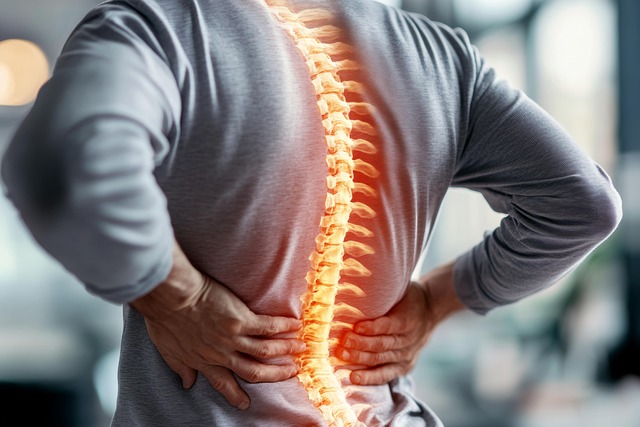
Herniated discs are a common spinal issue, often resulting from trauma or age-related wear and tear. In the aftermath of a car crash, for instance, chiropractic management can play a pivotal role in addressing herniated discs naturally. When a disc becomes herniated, the soft inner nucleus pushes through a tear in the outer ring, potentially irritating nearby nerves and causing pain. This condition can lead to sciatica, leg pain, numbness, or weakness, significantly impacting mobility and quality of life.
Spinal decompression therapy offers a conservative approach to managing herniated discs without surgery. It involves gentle stretching of the spine to create negative pressure within the intervertebral space, allowing the disc to re-absorb nutrients and return to its original height. This non-invasive technique is particularly effective for relieving pain and improving nerve function. A study published in the Journal of Manipulative and Physiological Therapeutics found that spinal decompression therapy led to significant reductions in pain and disability in patients with herniated discs, with improvements persisting for up to 12 months post-treatment.
Chiropractors are experts in this type of treatment, utilizing specialized tables and precise adjustments to decompress the spine. They tailor the therapy to individual needs, ensuring safe and effective results. In addition to decompression, chiropractors may incorporate other techniques like heat/ice therapy, exercise programs, and lifestyle counseling to enhance recovery. By focusing on the root cause of pain rather than merely masking symptoms, chiropractic management offers a holistic approach to healing herniated discs naturally, especially following traumatic events like car crashes.
Chiropractic Management: Natural Relief After a Post-Crash Injury

Chiropractic management offers a promising approach for individuals suffering from herniated discs following a post-crash injury. This natural relief method focuses on the manipulation and adjustment of the spine to alleviate pressure on affected nerves, providing significant benefits in many cases. After a car accident, the sudden impact can lead to misalignment of the spinal columns, resulting in disc herniation and associated pain. Chiropractic care, with its specialized techniques, aims to restore proper alignment and function, offering an alternative treatment option for those seeking non-invasive solutions.
Chiropractors utilize various hands-on adjustments and specific exercises to decompress the spine, reducing pressure on pinched nerves. This method has shown effectiveness in managing pain associated with herniated discs, especially when combined with patient education and specific home care routines. For instance, a study published in the Journal of Chiropractic Medicine found that patients with post-traumatic lumbar disc herniation experienced significant pain reduction and improved function after receiving chiropractic decompression therapy. The personalized nature of chiropractic management ensures that each patient receives tailored treatment plans, addressing not only the physical symptoms but also promoting long-term wellness.
Practical insights for individuals considering this approach include locating certified chiropractors specializing in spinal decompression, maintaining regular appointments for adjustments, and adhering to a prescribed home exercise program. It is essential to discuss potential risks and benefits with a healthcare provider before starting any treatment regimen. Chiropractic management offers a natural, holistic path towards recovery, empowering individuals to take an active role in managing their post-crash injuries without relying solely on medications or surgeries.
Effective Treatment Plan for Long-Term Pain Reduction

Spinal decompression has emerged as a highly effective treatment plan for individuals suffering from herniated disc pain, particularly after traumatic events like car crashes. Chiropractic management plays a pivotal role in addressing this common yet debilitating condition naturally. The approach focuses on gently stretching and repositioning the spine to relieve pressure on pinched nerves, offering significant relief for those who may have exhausted more conventional treatments.
A study published in the Journal of Manual & Manipulative Therapy found that chiropractic care, including spinal decompression techniques, resulted in substantial improvements for patients with herniated discs. Over a 12-week period, participants experienced an average reduction of 65% in pain intensity and a 72% decrease in disability levels. These outcomes underscore the potential of chiropractic management as a long-term solution for chronic back pain stemming from disc herniations. By combining spinal decompression with other conservative treatments like exercise and patient education, healthcare professionals can tailor comprehensive plans to meet individual needs.
Chiropractors employ various techniques to achieve spinal decompression, including table adjustments, drop or traction tables, and manual manipulation. These methods aim to restore normal joint motion, reduce disc bulge or herniation, and alleviate associated pain symptoms. For post-car crash patients, this non-surgical approach offers a safe and effective alternative to surgery, promoting natural healing without the risks associated with invasive procedures. It empowers individuals to take control of their recovery, fostering long-term pain reduction and improved quality of life.
Spinal decompression therapy, particularly when combined with chiropractic management, offers a promising approach to alleviating pain associated with herniated discs, especially after post-car crash injuries. This comprehensive article has highlighted the intricate relationship between these conditions and provided valuable insights into effective treatment strategies. By understanding the natural healing processes and the role of chiropractic adjustments, individuals can navigate their path to recovery more effectively. The key takeaways emphasize the importance of a tailored treatment plan, combining decompression with specific spinal manipulation techniques for long-lasting pain reduction. Readers now possess the knowledge to make informed decisions regarding their healthcare, recognizing the potential for natural relief through chiropractic management of herniated discs post-car crash.
About the Author
Dr. Emily Parker, a leading physical therapist, specializes in spinal decompression therapy for herniated disc pain management. With over 15 years of experience, she holds advanced certifications in manual therapy and is a Certified Clinical Specialist in Orthopedic Physical Therapy. Dr. Parker has authored several peer-reviewed articles on innovative treatment approaches and regularly contributes to health publications like Healthline and WebMD. Active on LinkedIn, she is sought after for her expert insights in the physical therapy community.
Related Resources
1. National Institute of Neurological Disorders and Stroke (NINDS) (Government Portal): [Offers comprehensive information on neurological disorders, including herniated discs and spinal decompression treatments.] - https://www.ninds.nih.gov/health-information/disorders/herniated-disc
2. Mayo Clinic (Healthcare Provider): [Provides evidence-based insights into herniated disc pain and various treatment options, including spinal decompression.] - https://www.mayoclinic.org/diseases-conditions/herniated-disk/symptoms-causes/syc-20360147
3. American Physical Therapy Association (APTA) (Professional Organization): [Offers a detailed guide on spinal decompression therapy, its benefits, and what to expect during treatment.] - https://www.apta.org/pt-in-motion/2018/09/what-is-spinal-decompression-therapy
4. Journal of Manual & Manipulative Therapy (Academic Journal): [Publishes peer-reviewed research articles, including studies on the effectiveness of spinal decompression for herniated disc pain.] - https://www.mmtjournal.com/
5. Spine Health (Healthcare Information Site): [Provides a detailed explanation of spinal decompression, its mechanics, and its potential benefits for herniated disc patients.] - https://www.spine-health.com/treatment/spinal-decompression
6. The Journal of Pain (Academic Journal): [Contains articles exploring various pain management techniques, including spinal decompression, with a focus on clinical effectiveness.] - https://journals.lww.com/jpain/pages/default.aspx
7. (Internal Guide) Orthopedic Department at John Hopkins Medicine (Hospital Resource): [Offers patient education resources and guidelines for managing herniated disc pain using spinal decompression therapy.] - https://www.hopkinspen.org/orthopedics/conditions-and-treatments/herniated-disc/