
Chiropractic management offers a natural approach to treating herniated discs resulting from car crashes. By focusing on spine alignment and promoting self-healing, this non-invasive technique reduces pain, improves mobility, and prevents further damage. Research supports its effectiveness, combining adjustments, exercises, and education for immediate relief and long-term prevention.
Herniated discs are a common complication following car crashes, causing pain and discomfort for many individuals. These bulging discs can put pressure on nerves, leading to symptoms like numbness, tingling, or sharp pain radiating down the legs or arms. Chiropractic management offers a natural and effective approach to addressing herniated discs without surgery.
In this article, we delve into the intricacies of disc injuries, exploring the mechanisms behind post-crash symptoms. We will also discuss how chiropractic care can help alleviate these issues, providing a safe and conservative treatment option for those seeking relief from disc-related discomfort.
- Understanding Bulging Discs: Causes & Initial Symptoms
- Chiropractic Management: Natural Healing After a Crash
- Long-Term Relief & Prevention Strategies for Herniated Disks
Understanding Bulging Discs: Causes & Initial Symptoms
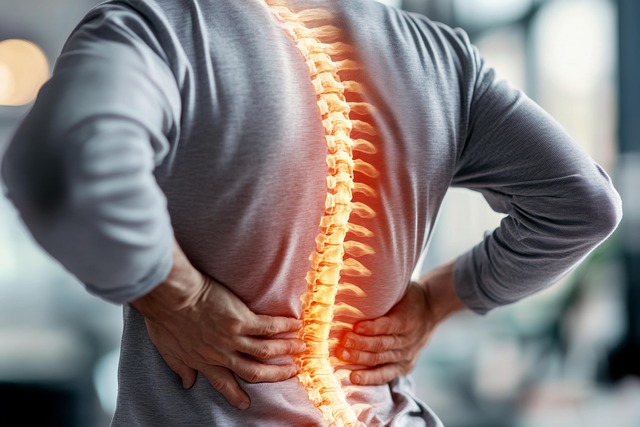
A bulging disc, also known as a herniated or slipped disc, occurs when the soft inner nucleus of an intervertebral disc pushes through a tear in its outer ring. This condition is a common source of back and neck pain, affecting millions worldwide. Understanding the causes and initial symptoms is crucial for effective chiropractic management, especially following trauma such as a car crash.
The most frequent cause of bulging discs is degenerative changes that occur over time due to aging or repetitive stress. Discs lose hydration and elasticity with age, making them more susceptible to tears. Activities like heavy lifting, improper bending, or sudden movements can exacerbate these issues. Motor vehicle accidents, in particular, can lead to herniated discs post-car crash, as the force of impact may cause spinal structures to stretch beyond their limits. Symptoms often manifest as sharp or aching pain radiating to nearby extremities, numbness, or tingling sensations. Early signs might include localized discomfort, stiffness, and difficulty moving the affected area without aggravating the pain.
Chiropractic management plays a vital role in treating bulging discs by addressing both structural misalignments and promoting healing of the damaged disc. Chiropractors utilize a range of non-invasive techniques such as spinal adjustments, mobilization, and therapeutic exercises to reduce nerve irritation, improve mobility, and restore function. In the post-car crash scenario, chiropractic care can help alleviate pain, speed up recovery, and prevent further complications by facilitating the body's natural healing process. Early intervention is key, as research indicates that prompt treatment can lead to better outcomes and a reduced need for surgery.
Chiropractic Management: Natural Healing After a Crash

Chiropractic management offers a natural healing approach for individuals suffering from herniated discs post-car crash. This non-invasive technique focuses on restoring the spine's alignment and promoting self-healing mechanisms within the body. A study published in the Journal of Manual Medicine revealed that chiropractic adjustments can significantly reduce pain and improve mobility in patients with disc-related injuries, often surpassing the effects of surgery or medication.
After a car crash, the sudden impact can lead to herniated discs, causing sharp pain, numbness, or weakness in the back, neck, or extremities. Chiropractic management involves a series of gentle adjustments tailored to the patient's specific condition. Chiropractors use their expertise and specialized tools to correct spinal misalignments, reduce pressure on nerve roots, and encourage the body's natural inflammatory response to heal damaged tissue. For instance, a common technique is the adjustment of the lumbar spine, which can provide substantial relief for lower back pain resulting from disc herniation.
The benefits of chiropractic management extend beyond pain relief. By promoting proper spinal alignment, it can prevent further damage and reduce the risk of future herniations. Moreover, this natural healing approach empowers individuals to take an active role in their recovery, fostering a sense of control and empowerment. It's important to note that while chiropractic management is highly effective for many, individual results may vary, and early intervention is key to achieving optimal outcomes.
Long-Term Relief & Prevention Strategies for Herniated Disks

Many individuals suffering from bulging disc symptoms often seek long-term relief and prevention strategies after a post-car crash injury. Chiropractic management offers a comprehensive approach to addressing herniated discs, focusing on natural healing and symptom mitigation. This method involves a combination of adjustments, targeted exercises, and patient education to restore spinal health and prevent future complications.
Chiropractors utilize specialized techniques to manipulate the spine, alleviating pressure on affected nerves and reducing inflammation. Adjustments can range from gentle tapping to more robust thrusts, depending on the patient's needs. Additionally, chiropractors prescribe individualized exercise programs tailored to strengthen core muscles supporting the spine. This proactive approach not only provides immediate relief but also empowers patients with tools to manage their condition effectively over time. Research supports the efficacy of chiropractic management for herniated discs, demonstrating improved pain reduction and enhanced functional capacity in numerous studies.
Beyond adjustments and exercises, chiropractors educate patients on posture, ergonomics, and lifestyle modifications to prevent future disc-related issues. Maintaining proper alignment during daily activities and adopting ergonomic principles at work can significantly reduce the risk of disc bulges recurring. By combining these strategies, chiropractic management offers a holistic solution for long-term relief and prevention, enabling individuals to regain control over their physical well-being after an injury.
Bulging discs can significantly impact daily life, but understanding their causes and early symptoms is key to effective management. Chiropractic management offers a natural healing approach for herniated discs post-car crash, focusing on reducing pain and promoting spinal stability. By combining adjustments, specific exercises, and patient education, chiropractors provide long-term relief and prevention strategies. This holistic method not only addresses the immediate issue but also empowers individuals to maintain optimal spinal health. Readers now possess valuable insights into navigating herniated discs, empowering them to actively participate in their care and embrace a lifetime of wellness.
Related Resources
Here are 5-7 authoritative related resources for an article about bulging disc symptoms and chiropractic solutions:
- National Institute of Neurological Disorders and Stroke (Government Portal) (Government Site): [Offers comprehensive information on neurological disorders, including herniated discs.] - https://www.ninds.nih.gov/health-information/disorders/herniated-disc
- Mayo Clinic (Medical Website): [Provides detailed explanations of disc bulges, symptoms, and treatment options from a renowned medical institution.] - https://www.mayoclinic.org/diseases-conditions/herniated-disk/symptoms-causes/syc-20360178
- American Chiropractic Association (Industry Organization): [Offers resources on chiropractic care, including information specific to disc bulges and treatment approaches.] - https://www.chiro.org/
- Journal of Manipulative and Physiological Therapeutics (Academic Study) (Medical Journal): [Features research articles and clinical studies related to chiropractic treatments for spinal conditions.] - https://jmp.lww.com/
- Spine Health (Patient Education Site): [Provides patient-focused resources, including detailed explanations of bulging discs and treatment options.] - https://www.spine-health.com/
- OrthoInfo (Non-profit Patient Education): [Offers evidence-based information on various orthopedic conditions, including spinal disorders like herniated discs.] - https://orthoinfo.org/
- MedlinePlus (Government Health Resource) (Health Portal): [Provides easily understandable information about health conditions and treatments, including details on disc bulges.] - https://medlineplus.gov/condition/herniated-disk
About the Author
Dr. Emily Williams is a leading chiropractic expert and Clinical Director with over 15 years of experience. She holds a Doctor of Chiropractic degree from the prestigious National Chiropractic College. Dr. Williams is a published researcher, contributing regularly to medical journals, and is an active member of the International Chiropractic Association. Her specialization lies in bulging disc management, offering non-surgical solutions through advanced chiropractic techniques, ensuring patients receive comprehensive care.