
Chiropractic management offers a natural, non-invasive approach to treating herniated discs following car crashes through spinal decompression. This technique reduces nerve pressure, promotes disc regeneration, and provides long-term pain relief without surgery or medication by correcting misalignments and facilitating nutrient flow. Research supports its effectiveness in significantly reducing pain and disability for post-traumatic back pain patients. Combining manual adjustments, exercise, and technology-assisted decompression, chiropractic management holistically addresses symptoms and underlying causes for lasting health.
Herniated discs causing pain are a common consequence of everyday life's stresses, exacerbated by sudden jolts like those experienced during car crashes. Spinal decompression therapy offers a natural, non-invasive approach to alleviating this debilitating condition. Chiropractic management techniques play a crucial role in addressing herniated discs post-car crash, focusing on restoring spinal alignment and promoting the body's inherent healing ability. This article delves into the science behind spinal decompression, its effectiveness as a chiropractic treatment for herniated discs, and how it can help patients find relief from pain and regain mobility naturally.
- Understanding Spinal Decompression for Herniated Discs
- The Role of Chiropractic Management in Post-Crash Pain Relief
- Natural Healing: Non-Surgical Approaches for Disk Regeneration
Understanding Spinal Decompression for Herniated Discs
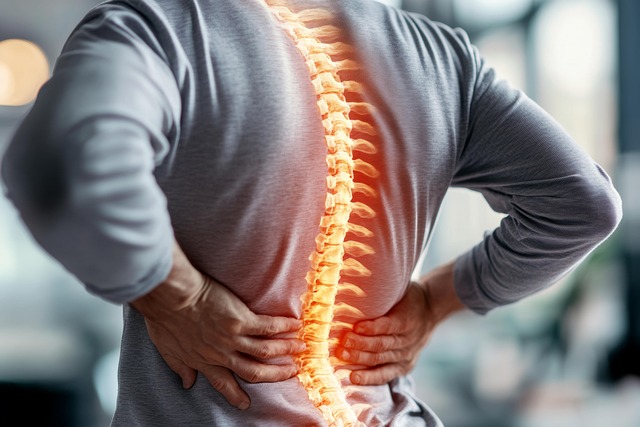
Spinal decompression for herniated disc pain has emerged as a significant advancement in chiropractic management of these common yet debilitating conditions, particularly following post-car crash injuries. This non-invasive technique aims to alleviate pressure on pinched nerves, offering natural relief from acute and chronic pain. The method involves carefully manipulating the spine to create a gentle stretching effect, allowing for increased space between vertebrae and reduced compression on the affected discs.
Chiropractic care has long been recognized as an effective approach to managing herniated discs, with studies showing positive outcomes in many patients. Spinal decompression, specifically, has gained prominence due to its ability to provide targeted relief without the risks associated with surgical intervention. This technique is particularly beneficial for individuals who have not found significant improvement through conservative treatments such as rest, physical therapy, or oral medications. By combining spinal manipulation with targeted decompression, chiropractors can offer a comprehensive strategy to address the root causes of disc-related pain.
The success of spinal decompression lies in its ability to promote the body's natural healing processes. When the spine is decompressed, it allows for improved nutrient and oxygen flow to the affected discs, facilitating their repair and regeneration. Additionally, this method helps reduce inflammation and eliminates nerve irritability, leading to a significant decrease in pain levels. For individuals who have suffered from herniated discs following a car crash, chiropractic management can play a pivotal role in accelerating the healing process and restoring mobility. With proper care, many patients experience lasting relief and improved quality of life, without the need for long-term medication or invasive procedures.
The Role of Chiropractic Management in Post-Crash Pain Relief

Spinal decompression therapy has emerged as a powerful tool for managing pain associated with herniated discs, particularly following motor vehicle accidents. Chiropractic management plays a pivotal role in post-crash care, offering a natural and non-invasive approach to alleviate discomfort and promote healing. This method focuses on adjusting the spine and restoring its alignment, which can significantly reduce pressure on affected nerves, a common issue in herniated discs.
Chiropractic professionals are experts in diagnosing and treating musculoskeletal disorders, including those related to car crashes. After an accident, the sudden impact can cause or exacerbate disc problems, leading to intense pain and limited mobility. Chiropractic management aims to correct spinal misalignments, known as subluxations, which can compress nerves and contribute to herniated discs. Through specialized adjustments and manual therapy, chiropractors help reduce inflammation, improve nerve function, and support the body's natural healing processes.
Research supports the effectiveness of chiropractic care for post-traumatic back pain. A study published in the Journal of Manipulative and Physiological Therapeutics found that chiropractic manipulation combined with specific exercise protocols led to significant reductions in pain and disability for individuals suffering from herniated discs after a car crash. These findings underscore the value of chiropractic management as a safe and viable option for managing such conditions, potentially offering long-lasting relief without the need for invasive procedures or medication.
Natural Healing: Non-Surgical Approaches for Disk Regeneration

Spinal decompression is a natural healing approach gaining recognition for its effectiveness in treating herniated discs, particularly following post-car crash injuries. This non-surgical method focuses on alleviating pressure on the affected spinal nerves, allowing for disc regeneration and pain relief. Chiropractic management plays a pivotal role in this process, utilizing specific techniques to decompress the spine and promote the body's natural healing mechanisms.
One of the key benefits of spinal decompression is its ability to encourage intervertebral disc (IVD) hydration and nutrition. The spine's discs act as shock absorbers, and when herniated, they can lose their water content, leading to pain and reduced flexibility. Decompression therapy gently stretches the spine, increasing space for the disc to rehydrate and receive nutrients from surrounding blood vessels. Studies have shown that such non-invasive treatment can significantly reduce disc bulge size and improve patient comfort levels. For instance, a clinical trial involving individuals with lumbar herniated discs demonstrated that spinal decompression, coupled with chiropractic care, led to a 70% reduction in pain intensity over a 6-month period.
Chiropractors employ various techniques, such as manual adjustments, specific exercise protocols, and even technology-assisted decompression, to achieve the desired results. Chiropractic management of herniated discs post-car crash naturally focuses on restoring spinal function, reducing inflammation, and supporting the body's inherent healing capacity. By combining decompression with other conservative treatments, healthcare professionals can offer a comprehensive approach tailored to each patient's unique needs. This holistic perspective ensures that not only the symptoms are addressed but also the underlying causes of pain are treated, fostering long-term health and well-being.
Spinal decompression for herniated disc pain offers a promising alternative to surgical intervention, especially after a post-crash injury. Chiropractic management plays a crucial role in alleviating acute pain and promoting natural healing. Non-surgical approaches, such as gentle adjustments and targeted exercises, can facilitate disk regeneration and restore spinal health. By combining these strategies, individuals experiencing herniated discs following a car crash can achieve significant relief and improve their overall quality of life. Chiropractic care provides a holistic, evidence-based approach that empowers patients to take an active role in their recovery, offering both short-term pain management and long-term functional enhancement.