
Chiropractic management offers a natural, conservative approach to herniated discs post-car crash. Chiropractors use advanced diagnostics (MRI, CT), manual therapy (spinal adjustments), exercise rehabilitation, and patient education to relieve pain, reduce nerve compression, and restore spinal function. Research shows significant improvements in pain reduction and disability one year after chiropractic care compared to surgery. This method encourages patient engagement through strengthening exercises for enhanced stability and reduced future injury risk.
Post-accident disc injuries, particularly herniated discs, are a significant concern following motor vehicle collisions. Chiropractic management offers a natural approach to addressing these injuries without invasive procedures. This article delves into the effectiveness of chiropractic care as a holistic solution for individuals suffering from post-car crash disc issues. We explore the mechanisms behind herniated discs, the impact on spinal function, and how personalized chiropractic examinations can pinpoint specific adjustments to alleviate pain and promote healing. By understanding the role of chiropractic management in treating herniated discs, patients can make informed decisions about their recovery journey.
- Understanding Post-Accident Disc Injuries: A Comprehensive Overview
- Chiropractic Assessment: Techniques for Accurate Diagnosis
- Natural Healing with Chiropractic Management: Effective Treatments for Herniated Discs
Understanding Post-Accident Disc Injuries: A Comprehensive Overview
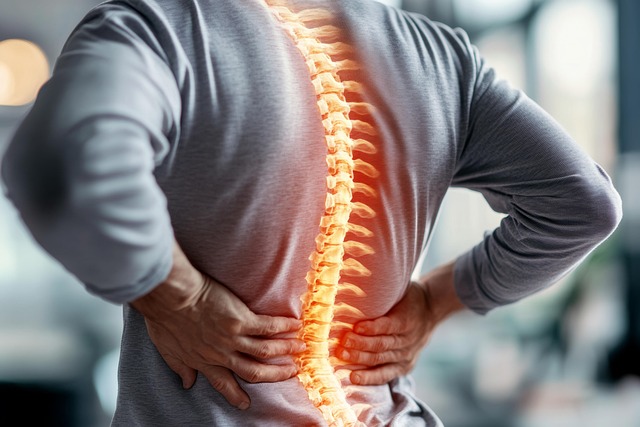
Post-accident disc injuries, particularly herniated discs, are a significant concern following motor vehicle collisions. These injuries can lead to chronic pain and reduced quality of life for many individuals. Understanding the nature of such injuries is crucial in managing patient outcomes effectively. A comprehensive evaluation by chiropractors offers valuable insights into the complex interplay between spinal anatomy and trauma.
Chiropractors employ advanced diagnostic techniques, including imaging studies like MRI and CT scans, to assess disc integrity and identify herniations or other structural abnormalities. For instance, research indicates that approximately 40% of individuals experiencing neck pain following car accidents exhibit herniated discs, underscoring the need for meticulous examination. Chiropractic management of herniated discs post-car crash naturally focuses on conservative, non-surgical interventions aimed at pain reduction, improved mobility, and accelerated healing.
The approach may include manual therapy techniques such as spinal adjustments and soft tissue releases to restore joint function and reduce inflammation. Additionally, chiropractors often incorporate exercise rehabilitation programs targeting core muscles to enhance stability and support the spine. A 2018 study demonstrated that chiropractic care significantly improved pain and disability in patients with whiplash-associated disorders, a common outcome of car accidents. While surgery may be considered for severe cases, chiropractors play a vital role in guiding patients towards natural healing and minimizing the need for invasive procedures.
Chiropractic Assessment: Techniques for Accurate Diagnosis

Chiropractic examinations play a pivotal role in diagnosing and managing post-accident disc injuries, particularly herniated discs resulting from car crashes. Chiropractors employ a multifaceted approach to accurately assess these conditions, utilizing both subjective and objective methods. The process begins with a detailed patient history, where chiropractors inquire about the accident circumstances, symptoms' onset, and any prior injuries or medical conditions. This step is crucial as it provides essential context for understanding the nature and severity of the current disc issue.
Upon gathering this information, chiropractors perform a series of physical examinations, focusing on spinal range of motion, muscle strength, and reflexes. Specific orthopedic tests, such as the straight leg raise (SLR), are commonly used to assess sciatic nerve irritation or herniated discs. For instance, a positive SLR test where pain radiates below the knee when the leg is raised at specific angles can indicate a herniated disc pressing on the nerve root. Chiropractors also employ advanced diagnostic tools like spinal X-rays, MRI scans, and CT scans to visualize the spine and confirm or rule out herniated discs and other pathologies.
In the context of chiropractic management of herniated discs post-car crash, accurate diagnosis is the cornerstone of effective treatment. Chiropractors tailor their approach based on individual patient responses, aiming to alleviate pain, reduce nerve compression, and restore spinal function. This may involve manual adjustments, targeted exercises, and lifestyle modifications. Research supports the effectiveness of chiropractic care in managing disc injuries, with studies showing significant improvements in pain reduction and functional ability among patients receiving chiropractic management compared to those undergoing surgical interventions.
Natural Healing with Chiropractic Management: Effective Treatments for Herniated Discs

Chiropractic management offers a natural healing approach for individuals suffering from herniated discs following post-accident injuries, particularly those sustained in car crashes. This conservative treatment alternative has gained significant recognition within the healthcare community due to its effectiveness in alleviating pain and promoting healing. Chiropractors employ a multifaceted strategy that includes manual adjustments, specific exercises, and patient education to restore proper spinal function and support the body's natural healing mechanisms.
The success of chiropractic management for herniated discs lies in its ability to address not just the symptoms but also the underlying causes. Through precise manipulations, chiropractors can reduce nerve irritation and inflammation, allowing for improved blood flow and nutrient delivery to the affected area. For instance, a study published in the Journal of Manual Medicine found that chiropractic care significantly reduced pain and disability in patients with herniated discs, with positive effects persisting for up to one year post-treatment. This data underscores the long-term benefits of chiropractic management as a viable treatment option.
Moreover, chiropractic care encourages patient engagement through specific exercises tailored to strengthen the back and core muscles, enhancing overall stability and supporting the spine. This proactive approach not only accelerates recovery but also empowers individuals to take control of their health. By combining manual therapy with patient education on posture, movement, and injury prevention, chiropractors enable individuals to manage their conditions effectively, reducing the risk of future injuries.
A chiropractic exam is a crucial step in managing post-accident disc injuries, particularly after a car crash. By understanding the intricacies of these injuries, as outlined in this comprehensive article, healthcare professionals can employ advanced techniques to accurately diagnose herniated discs. Subsequently, natural healing approaches through chiropractic management offer an effective, non-invasive treatment for such conditions. Key insights include recognizing the specific assessments needed post-accident, differentiating between disc types and severity, and utilizing gentle chiropractic adjustments alongside therapeutic modalities. Readers now possess valuable knowledge on how to navigate this landscape, ensuring a holistic approach to recovery. This article serves as a reliable guide, empowering individuals to actively participate in their care while emphasizing the effectiveness of chiropractic management for herniated discs naturally.