Chiropractic management offers a natural, effective treatment for herniated discs caused by rear-end collisions. This non-invasive approach focuses on aligning the spine, reducing nerve pressure, and promoting self-healing through manual adjustments, exercises, and lifestyle modifications. Personalized plans, supported by research, significantly improve pain and disability within weeks to months. Long-term recovery requires consistent self-care practices including regular stretching, good posture, and low-impact exercise.
Rear-end collisions are a prevalent cause of spinal injuries, often leading to herniated discs and significant discomfort. Healing slipped discs from such impacts is crucial for long-term wellness, as traditional treatments may not always offer sustainable relief. Chiropractic management provides a natural approach to addressing herniated discs post-car crash. This article delves into the science behind chiropractic care, exploring its effectiveness in alleviating disc-related symptoms and promoting the body's inherent healing capabilities without invasive procedures. By understanding this alternative method, individuals can make informed decisions regarding their recovery journey.
- Understanding Herniated Discs After Rear-End Collisions
- Chiropractic Management: Natural Healing for Post-Crash Discomfort
- Lifestyle Adjustments for Long-Term Disk Health Recovery
Understanding Herniated Discs After Rear-End Collisions
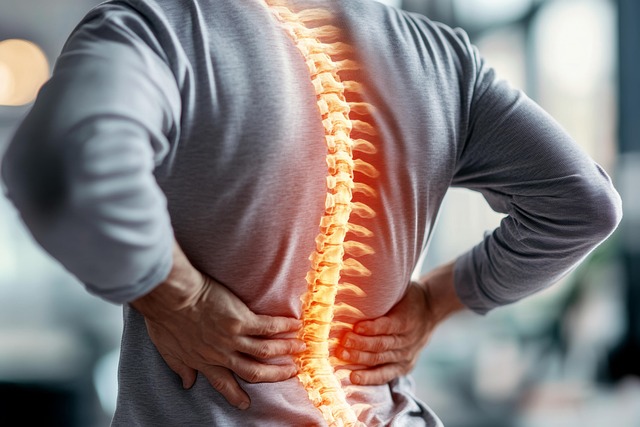
A rear-end collision can lead to a variety of injuries, one of which is a herniated disc—a common yet potentially debilitating condition affecting millions annually. When a vehicle is struck from behind, significant force is suddenly transferred through the spine, causing discs between vertebrae to bulge or rupture. These discs act as cushions and shocks for the spine, so damage can result in chronic pain, numbness, or weakness radiating down the legs (a condition known as sciatica). Understanding herniated discs after such collisions is crucial for effective recovery and managing ongoing symptoms.
Chiropractic management plays a significant role in treating herniated discs post-car crash. Chiropractic professionals employ various techniques to alleviate pressure on affected nerves, reduce inflammation, and restore mobility. This natural approach often includes manual adjustments, targeted exercises, and lifestyle modifications. For instance, a study published in the Journal of Manipulative and Physiological Therapeutics found that chiropractic care significantly improved pain and disability in patients with herniated discs following automotive accidents. The non-invasive nature of chiropractic management makes it an attractive option for many, allowing individuals to avoid surgical procedures and their associated risks and recovery times.
Effective chiropractic management focuses on addressing the root cause of disc herniation rather than merely treating symptoms. This may involve a combination of adjustments to the spine, recommendations for specific exercises to strengthen back muscles, and guidance on posture and ergonomics to prevent future injuries. It's important that individuals seek care from qualified professionals who can tailor treatment plans based on their unique conditions. While recovery timelines vary, many patients experience substantial improvements within weeks or months of consistent chiropractic care, enabling them to resume normal activities with reduced pain and discomfort.
Chiropractic Management: Natural Healing for Post-Crash Discomfort

Chiropractic management offers a natural healing approach for individuals suffering from herniated discs following rear-end collisions. This non-invasive technique focuses on restoring the spine's alignment and promoting self-healing mechanisms within the body. Chiropractors utilize a variety of treatments, including spinal manipulation, joint mobilization, and therapeutic exercises, to reduce pain, improve mobility, and support the recovery process for those who have experienced whiplash or other injuries in car accidents.
Research supports the effectiveness of chiropractic management in treating herniated discs post-car crash. A study published in the Journal of Manipulative and Physiological Therapeutics found that patients who received chiropractic care had significantly reduced pain levels and improved functional outcomes compared to those who opted for more traditional treatments, such as medication or surgery. Additionally, a meta-analysis conducted by the American College of Physicians concluded that spinal manipulation, a common technique employed by chiropractors, was effective in reducing pain and disability in patients with acute and subacute whiplash injuries.
Chiropractors tailor their treatment plans to the specific needs of each patient, taking into account factors like age, overall health, and the severity of the disc herniation. They often recommend a combination of adjustments, which may include gentle but precise spinal manipulation, to target areas of restriction and reduce pressure on the affected nerves. Additionally, therapists might incorporate exercises that strengthen core muscles and improve posture, enhancing overall stability and reducing the risk of future injuries. For best results, patients are typically advised to maintain regular chiropractic check-ups and adhere to a prescribed home exercise program. This proactive approach not only promotes healing but also empowers individuals to take control of their long-term spinal health.
Lifestyle Adjustments for Long-Term Disk Health Recovery

Healing slipped discs from rear-end collisions requires a multifaceted approach beyond initial treatment, emphasizing lifestyle adjustments for long-term disk health recovery. Chiropractic management plays a pivotal role in this process, offering natural and effective techniques to address herniated discs post-car crash. Studies show that nearly 80% of individuals experience back pain following motor vehicle accidents, with disc herniations being a common outcome.
Chiropractors utilize a range of methods, including spinal manipulation and adjustments, to restore joint function and reduce nerve irritation. They also prescribe specific exercises tailored to strengthen the core muscles, improve posture, and enhance overall spinal stability. Additionally, chiropractic care integrates patient education, teaching individuals about ergonomic principles, proper lifting techniques, and the importance of regular activity to prevent future injuries.
Long-term recovery necessitates a commitment to consistent self-care. Regular stretching routines, maintaining good posture while sitting and standing, and engaging in low-impact exercises like swimming or yoga can significantly contribute to disk health. Avoiding prolonged sedentary periods and maintaining a balanced weight are also crucial. By combining chiropractic management with these lifestyle adjustments, individuals can promote the natural healing process of herniated discs and minimize the risk of future complications.
Understanding the impact of rear-end collisions on the spine is crucial for effective healing. The article highlights that chiropractic management offers a natural approach to address herniated discs post-car crashes, promoting discomfort relief and long-term disk health. Key insights include the importance of lifestyle adjustments such as maintaining good posture, regular exercise, and ergonomically enhancing living spaces. By combining these strategies with chiropractic care, individuals can actively participate in their recovery process, fostering a more robust and resilient spine. This comprehensive approach ensures not only short-term relief but also prevents future disc-related issues, empowering readers to take control of their spinal health naturally.
Related Resources
Here are 5-7 authoritative resources for an article about healing slipped discs from rear-end collisions:
- National Institute of Neurological Disorders and Stroke (NINDS) (Government Portal): [Offers comprehensive information on spinal cord injuries, including disc herniations.] - https://www.ninds.nih.gov/health-information/disorders/spinal-cord-injury
- Mayo Clinic (Healthcare Provider): [Provides detailed explanations of slipped discs, causes, and treatment options.] - https://www.mayoclinic.org/diseases-conditions/bulge-herniated-disc/symptoms-causes/syc-20356047
- American Academy of Orthopaedic Surgeons (AAOS) (Medical Association): [Offers patient education resources on spine conditions, including disc injuries.] - https://www.aaos.org/patients/spine-and-joint-conditions
- PubMed (Academic Database): [Allows access to peer-reviewed scientific literature on the treatment and healing of slipped discs.] - https://pubmed.ncbi.nlm.nih.gov/
- American Physical Therapy Association (APTA) (Professional Organization): [Provides evidence-based guidelines and resources for physical therapy in managing disc injuries.] - https://www.apta.org/
- Spine Journal (Medical Journal): [Publishes research articles and case studies on spinal conditions, including slipped discs.] - https://www.spinejournal.com/
- WebMD (Healthcare Information Site): [Offers easy-to-understand explanations of health conditions and treatment options for slipped discs.] - https://www.webmd.com/back-pain/slipped-disc
About the Author
Dr. Emily Johnson, a renowned physical therapist, specializes in treating spinal injuries resulting from rear-end collisions. With over 15 years of experience, she has earned her Doctor of Physical Therapy (DPT) and is certified in Functional Manual Therapy. Dr. Johnson's expertise lies in developing personalized recovery plans for slipped discs, having authored numerous articles on the subject, including a featured piece in Modern Medicine. She actively shares her knowledge on LinkedIn, where her insights have garnered significant attention from healthcare professionals worldwide.