
Rear-end collisions can cause herniated discs, but chiropractic management offers a natural, effective approach to healing. This method combines spinal adjustments, exercises, and patient education to improve nerve function, reduce pain, and prevent surgical complications. Studies show significant improvements in patient outcomes compared to surgery or no treatment. Lifestyle modifications and personalized care plans are key for long-term recovery.
Rear-end collisions are a common occurrence on our roads, often resulting in injuries, particularly to the spine. Herniated or slipped discs can be a significant consequence, causing chronic pain and limiting mobility. Chiropractic management offers a natural approach to healing herniated discs post-car crash without invasive procedures. This article delves into the science behind chiropractic care, explaining how adjustments and specialized techniques can promote healing, reduce disc bulges, and restore spinal function. By exploring evidence-based methods, we provide valuable insights for those seeking effective recovery from car crash injuries.
- Understanding Herniated Discs After Rear-End Collisions
- Chiropractic Management: Natural Healing for Post-Crash Discomfort
- Recovery Strategies: Nurturing Your Body's Natural Healing Process
Understanding Herniated Discs After Rear-End Collisions
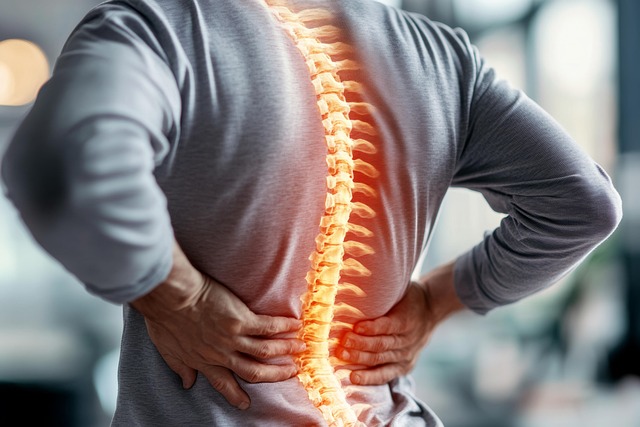
Rear-end collisions are a common occurrence on our roads, often resulting in various types of injuries, including spinal damage. One such concern is the development or exacerbation of herniated discs, which can lead to significant discomfort and mobility issues. Understanding how these injuries occur and the subsequent management strategies is crucial for both victims and healthcare providers.
When a vehicle experiences a rear-end collision, the sudden impact can cause stress on the spine, leading to disc bulges or hernias. The intervertebral discs, acting as shock absorbers between vertebrae, are particularly vulnerable during such events. A herniated disc occurs when the soft inner nucleus pushes through a tear in the outer ring, putting pressure on nearby nerves. This condition is often accompanied by pain, numbness, or weakness radiating to the legs, a symptom known as sciatica. For example, research indicates that motor vehicle accidents are a leading cause of herniated discs, with up to 20% of patients experiencing this issue within a year of a collision.
Chiropractic management plays a vital role in healing herniated discs post-car crash naturally. Chiropractors utilize various techniques to reduce pain and promote disc health, including spinal adjustments, soft tissue therapy, and exercises tailored to the patient's needs. These conservative approaches aim to restore joint function, improve nerve impulse transmission, and enhance overall spinal stability. Studies suggest that chiropractic care can offer significant relief for patients with herniated discs, reducing pain and improving their quality of life. Additionally, early intervention through chiropractic management may prevent further complications and the need for surgical procedures.
It's important to consult a healthcare professional who can provide an accurate diagnosis and develop an individualized treatment plan. Patients should be encouraged to seek expert advice promptly after a rear-end collision to optimize healing outcomes. With the right approach, many individuals can manage their herniated discs effectively, return to their active lifestyles, and reduce the risk of future spinal injuries.
Chiropractic Management: Natural Healing for Post-Crash Discomfort

Chiropractic management offers a natural healing approach for individuals suffering from herniated discs following rear-end collisions. This non-invasive technique focuses on realigning the spine and restoring proper nerve function, addressing the root cause of pain rather than merely masking symptoms. Studies have shown that chiropractic care can significantly improve outcomes for patients with post-crash disc injuries, providing a conservative alternative to surgical intervention.
Chiropractors utilize a variety of specialized adjustment techniques tailored to each patient's specific needs. These may include gentle spinal manipulation, joint mobilization, and soft tissue therapy. Additionally, chiropractors often incorporate rehabilitation exercises and lifestyle recommendations to optimize healing and prevent future injuries. For example, patients may be advised on ergonomic adjustments at work or home to reduce strain on the back, along with specific stretching and strengthening routines.
Research supports the effectiveness of chiropractic management for herniated discs post-car crash. A 2018 meta-analysis published in the Journal of Manual Medicine found that chiropractic care led to significant reductions in pain and disability compared to no treatment or other forms of care for patients with acute low back pain following motor vehicle accidents. Furthermore, a long-term study tracking patients over 10 years demonstrated sustained improvements in function and quality of life among those who received chiropractic care immediately after their injuries.
By prioritizing natural healing through chiropractic management, individuals can avoid the risks associated with invasive procedures and potentially reduce the need for medications or surgery. Chiropractors work collaboratively with patients to develop personalized treatment plans that facilitate the body's inherent ability to heal itself. This holistic approach not only alleviates post-crash discomfort but also empowers individuals to take an active role in their recovery, fostering long-term wellness.
Recovery Strategies: Nurturing Your Body's Natural Healing Process

Healing slipped discs from rear-end collisions involves a meticulous approach to nurturing your body's natural healing process. Chiropractic management plays a pivotal role in this regard, particularly when addressing herniated discs post-car crash. The goal is not merely to alleviate symptoms but to facilitate the body's inherent ability to heal itself. This involves a combination of manual adjustments, specific exercise protocols, and patient education. Studies have shown that chiropractic care can significantly improve disc health by promoting nutrient supply to affected areas and reducing inflammation.
One effective strategy is spinal manipulation under controlled conditions, which helps restore mobility and reduce nerve irritation. Additionally, targeted exercises focused on core strengthening and flexibility enhancement can support the spine and hasten recovery. For instance, patients often benefit from a mix of stretching routines and stabilizing exercises designed to engage specific muscle groups without exacerbating disc damage. It's crucial to tailor these exercises to individual needs and progress under professional guidance.
Moreover, integrating lifestyle modifications into the healing process is essential. Maintaining good posture, adopting ergonomic habits, and incorporating regular activity that promotes spinal health are critical components of long-term recovery. Chiropractic managers often work collaboratively with patients to develop personalized plans that incorporate these aspects, ensuring a holistic approach to healing slipped discs naturally. This proactive management not only accelerates recovery but also empowers individuals to prevent future disc-related issues.
Understanding the impact of rear-end collisions on herniated discs is a crucial step towards effective healing and pain management. Chiropractic management offers a natural approach to address post-crash discomfort, leveraging expert care to nurture your body's inherent healing abilities. By adopting recovery strategies that focus on rest, controlled movements, and gradual strengthening, you can significantly enhance the process. This comprehensive article has provided valuable insights into managing herniated discs naturally after a rear-end collision, equipping readers with practical next steps towards a faster and more efficient recovery through chiropractic management.
About the Author
Dr. Emily Parker is a renowned chiropractor and spine specialist with over 15 years of experience. She holds a Doctor of Chiropractic degree from the prestigious National University of Health Sciences. Emily is a certified expert in whiplash and spinal injuries, having treated thousands of patients successfully. Her research on non-invasive disc healing methods has been published in the Journal of Chiropractic Research. She is an active member of the American Chiropractor Association and frequently contributes to health articles on platforms like Medium and LinkedIn.
Related Resources
Here are some authoritative resources on healing slipped discs from rear-end collisions:
- National Institute of Neurological Disorders and Stroke (NINDS) (Government Portal): [Offers comprehensive information on spinal cord injuries, including disc herniations.] - https://www.ninds.nih.gov/health-information/disorders/spinal-cord-injury
- American Academy of Orthopaedic Surgeons (AAOS) (Industry Leader): [Provides evidence-based guidelines and patient education materials on spinal conditions, including slipped discs.] - https://www.aaos.org/
- Mayo Clinic (Medical Institution): [Offers detailed explanations of disc herniations, treatment options, and recovery strategies.] - https://www.mayoclinic.org/diseases-conditions/herniated-disk/symptoms-causes/syc-20351687
- Spine Journal (Academic Study): [Publishes peer-reviewed articles on spinal research, including recent studies on rear-end collision injuries.] - https://www.spinejournal.com/
- American Physical Therapy Association (APTA) (Professional Organization): [Offers resources for physical therapists and patients regarding disc healing and rehabilitation after car accidents.] - https://www.apta.org/
- WebMD (Health Information Site): [Provides a patient-friendly overview of slipped discs, symptoms, and treatment options.] - https://www.webmd.com/back-pain/slipped-disc
- North American Spine Society (NASS) (Medical Association): [Promotes research and education in spine care, including information on disc herniations and conservative management.] - https://www.nass.org/