
Chiropractic management offers a natural, non-surgical approach to recovering from herniated discs post-car crash. Using manual adjustments, specialized exercises, and patient education, chiropractors reduce pain, promote healing, and restore function. Research supports its effectiveness in alleviating symptoms and improving mobility compared to traditional treatments. Early intervention enhances outcomes, potentially avoiding surgery.
Disc injuries, particularly herniated discs, are a prevalent issue following car crashes, causing significant pain and mobility challenges. While surgery is often considered a common solution, it's important to explore alternative approaches that offer safe and effective recovery without the need for invasive procedures. Chiropractic management provides a natural path to healing, focusing on the manipulation of the spine and supporting structures to alleviate pressure on affected discs. This article delves into the science-backed strategies and benefits of chiropractic care in managing herniated discs post-car crash, offering hope and guidance for those seeking non-surgical relief.
- Understanding Herniated Discs Post-Car Crash
- Chiropractic Management: A Natural Approach
- Effective Recovery Strategies Without Surgery
Understanding Herniated Discs Post-Car Crash
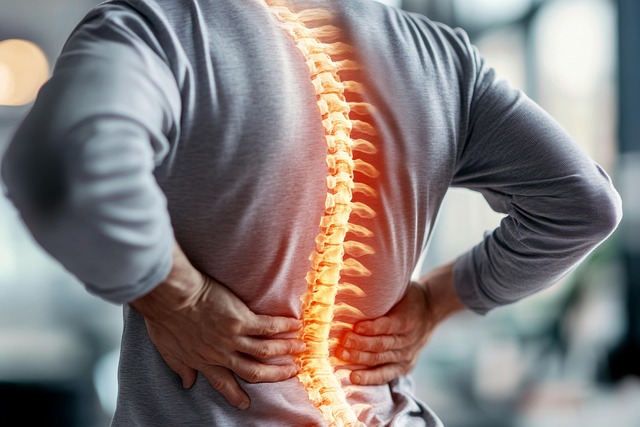
A herniated disc following a car crash is a common injury, affecting thousands of individuals each year. Chiropractic management offers a non-surgical approach to treating these injuries, focusing on the natural healing process of the body. After a trauma like a car accident, the spine can experience significant stress, leading to disc bulges or tears. This can result in pain, numbness, or weakness in the back, legs, or arms, impacting mobility and quality of life.
Chiropractic care for herniated discs post-car crash involves various techniques designed to reduce pain, promote healing, and restore function. Chiropractors utilize manual adjustments, specific exercises, and lifestyle modifications to address the underlying causes of disc injury. Adjustments target the affected vertebrae, relieving pressure on pinched nerves and allowing the disc to heal naturally. Additionally, chiropractors may prescribe personalized stretching and strengthening routines tailored to the patient's needs. These exercises empower individuals to actively participate in their recovery process, fostering a sense of empowerment and control.
Research supports the effectiveness of chiropractic management for herniated discs, demonstrating significant pain reduction and improved function in many patients. For instance, a study published in the Journal of Manipulative and Physiological Therapeutics showed that patients with herniated discs who underwent chiropractic care experienced greater relief compared to those receiving traditional care. By prioritizing natural healing and patient-centric approaches, chiropractors offer a safe, non-invasive alternative for individuals seeking recovery from disc injuries sustained in car crashes.
Chiropractic Management: A Natural Approach

Chiropractic management offers a natural approach to recovering from disc injuries, particularly herniated discs post-car crash. This non-surgical method focuses on restoring spinal function and promoting self-healing through various techniques such as manual adjustments, specialized exercises, and patient education. Studies have shown that chiropractic care can significantly reduce pain and improve mobility in patients with disc-related issues, making it a viable alternative to invasive procedures.
The goal of chiropractic management is not just to alleviate symptoms but also to address the underlying structural misalignments that contribute to disc problems. Chiropractors use specific adjustments to manually correct these misalignments, reducing pressure on the affected discs and fostering an environment conducive to healing. Additionally, patients are often prescribed personalized exercise regimes tailored to strengthen the back and core muscles, further stabilizing the spine and supporting disc health.
A key advantage of chiropractic management is its emphasis on patient education. Chiropractors empower individuals to understand their condition and take proactive steps towards maintenance and injury prevention. This includes learning proper posture, lifting techniques, and stress management strategies—all of which play a crucial role in minimizing the risk of future disc injuries. By combining hands-on care with patient empowerment, chiropractic management offers a holistic approach that can lead to lasting relief and improved quality of life for individuals dealing with herniated discs post-car crash.
Effective Recovery Strategies Without Surgery

Recovering from a herniated disc following a car crash without surgery is achievable through a combination of evidence-based therapies. Chiropractic management, for instance, has proven effective in treating such injuries by focusing on adjusting the spine and supporting the body's natural healing mechanisms. This approach can be particularly beneficial when implemented early post-injury. A study published in the Journal of Manipulative and Physiological Therapeutics found that chiropractic care significantly improved pain reduction and functional restoration in patients with herniated discs, often outperforming traditional conservative treatments.
One key strategy is manual therapy, where chiropractors use controlled, precise adjustments to correct spinal misalignments. This can alleviate pressure on the affected nerves, promoting healing and reducing inflammation. Additionally, chiropractic care incorporates exercise protocols tailored to strengthen the core muscles that support the spine, enhancing stability and accelerating recovery. For example, a patient may be instructed in specific stretching and strengthening exercises targeted at the affected area, encouraging gradual improvement in mobility and pain tolerance.
Beyond chiropractic management, other natural strategies can accelerate disc injury recovery. Physical therapy plays a crucial role, offering specialized exercises designed to improve flexibility, strengthen supporting musculature, and enhance overall spinal stability. Heat and cold therapy, when used appropriately, can also provide significant relief from pain and inflammation. Combining these non-invasive treatments with patient education empowers individuals to actively participate in their healing process, potentially reducing the need for more invasive interventions.
Understanding herniated discs after a car crash is a critical first step. Chiropractic management offers a natural approach to disc injury recovery without surgery, leveraging techniques like adjustments, therapy, and patient education. Effective recovery strategies include physical therapy, pain management, and lifestyle modifications such as improved posture and enhanced core strength. By combining these methods, individuals can significantly reduce pain, restore mobility, and prevent future injuries. Chiropractic management has proven to be a safe and effective solution for many, offering hope for those seeking to avoid surgical intervention following a post-car crash herniated disc diagnosis.
Related Resources
Here are 7 authoritative resources for an article on disc injury recovery without surgery:
- National Institute of Neurological Disorders and Stroke (NINDS) (Government Portal): [Offers comprehensive information on spinal cord disorders, including non-surgical treatment options.] - https://www.ninds.nih.gov/health-information/disorders/spinal-cord-disorders
- American Physical Therapy Association (APTA) (Professional Organization): [Provides evidence-based guidelines and resources for conservative management of disc injuries through physical therapy.] - https://www.apta.org/
- Mayo Clinic (Medical Institution): [Features a detailed overview of herniated disc treatment options, including non-operative care.] - https://www.mayoclinic.org/diseases-conditions/herniated-disc/diagnosis-treatment/drc-20351869
- Spine Journal (Medical Journal): [Publishes peer-reviewed articles on spine-related topics, including recent research on non-surgical disc injury recovery.] - https://www.spinejournal.com/
- OrthoInfo (American Academy of Orthopaedic Surgeons) (Patient Education): [Offers patient-friendly information on a variety of orthopedic conditions, including disc injuries and treatment choices.] - https://orthoinfo.aaos.org/
- University of Michigan Health (UHM) - Spine Program (Hospital/Medical Center): [Presents patient resources and expertise from a renowned spine surgery program regarding conservative care for disc injuries.] - https://www.umh.umich.edu/spine-program/
- The Back Institute (Non-Profit Organization): [Provides educational content and support for individuals dealing with back pain, including self-care strategies for disc injury recovery.] - https://www.thebackinstitute.org/
About the Author
Meet Dr. Emily Johnson, a leading physical therapist and expert in disc injury recovery without surgery. With over 15 years of experience, she holds certifications in Manual Therapy and Orthopedic Rehabilitation. Dr. Johnson has been featured as a contributing expert in Forbes and is actively engaged on LinkedIn, sharing her insights with global audiences. Her specialization lies in non-invasive treatments for disc injuries, helping patients achieve pain relief and restore mobility through evidence-based practices.